
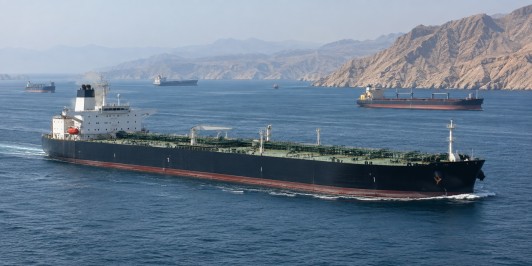
The Strait of Hormuz, a critical chokepoint for the global oil supply, may see a reopening within a week if certain conditions proposed by Iran are met by the United States. Iran has extended an offer to resume negotiations on its nuclear program, contingent upon the U.S. lifting its naval blockade of Iranian ports, easing sanctions on Iranian oil exports, and maintaining a ceasefire that encompasses Lebanon.
Abbas Araghchi, Iran’s Foreign Minister, outlined that the proposed timeline would commence once Washington agrees to the terms. The plan anticipates initial measures taking four to five days, with the Strait reopening on the sixth day, followed by the resumption of U.S.-Iran nuclear discussions on the seventh day.
The proposal comes in the wake of ongoing tensions, where Iran has leveraged control over the Strait of Hormuz as a significant strategic advantage. This waterway’s disruption poses a substantial threat to international oil and gas markets, highlighting the urgency of the situation.
Qatar has been instrumental in conveying Iran’s proposal to the United States, acting as a mediator between the two nations. This initiative follows previous diplomatic attempts that have yet to yield a lasting resolution. Additionally, Iran is actively engaging with Gulf countries, evidenced by recent meetings between Iranian President Masoud Pezeshkian and Qatar’s prime minister, as well as discussions between Araghchi and Saudi officials at the U.N. General Assembly.
However, within Iran, there remains a divide over the approach to negotiations with the U.S. Some hard-liners criticize diplomatic efforts, advocating for continued resistance, while other officials push for diplomatic solutions.
Furthermore, questions remain about whether the proposal’s terms would address the ongoing conflict involving Yemen’s Houthi forces and the security of another key maritime route, the Bab el-Mandeb Strait.