
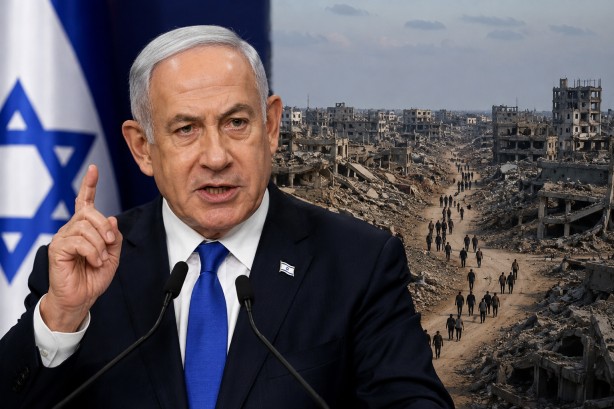
In a decisive move, Israeli Prime Minister Benjamin Netanyahu has declared that Israeli forces will not withdraw from Gaza until Hamas has been fully disarmed. This stance comes in defiance of a U.S.-endorsed proposal that seeks to couple military withdrawal with a comprehensive peace deal. Israeli authorities have expressed concerns that Hamas is actively recruiting new fighters, reconstructing its military capabilities, and replenishing its arsenal. They argue that a premature withdrawal of troops could enable Hamas to reestablish control over Gaza, reigniting security threats.
The U.S.-mediated ceasefire proposal outlines several stipulations, including the disarmament of Hamas, dismantling of its network of tunnels, and a phased pullout of Israeli forces. It also envisions the creation of a Palestinian technocratic administration, the deployment of an international security force, and the reconstruction of Gaza. Despite these efforts to broker peace, Israel remains firm on its requirement that Hamas must be disarmed before any troop withdrawal can be considered.
Simultaneously, the situation on the ground has intensified, with recent Israeli airstrikes reportedly resulting in the deaths of at least 17 individuals, including children. In a separate incident, Palestinians conducted a mass funeral for over 100 bodies recovered from a significant Israeli airstrike in the Sabra neighborhood of Gaza City, which occurred in November 2023. The recovery operations are ongoing, with many victims believed to be trapped under the debris.
The current conflict traces back to October 7, 2023, when Hamas launched an assault on southern Israel, leading to approximately 1,200 fatalities and the abduction of 251 hostages. This attack set off the ongoing hostilities in Gaza, escalating tensions in an already volatile region.