
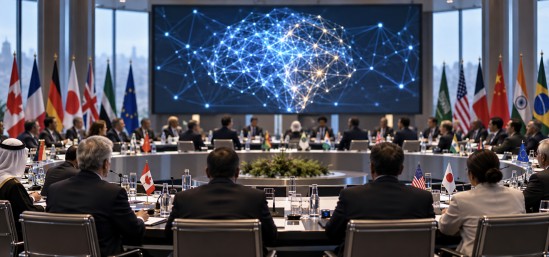
As the capabilities of artificial intelligence systems continue to expand at an unprecedented rate, global leaders are increasingly vocal about the need for international cooperation in managing their potential risks. In response to these growing concerns, a coalition of political figures from 20 countries, alongside the European Commission, has issued a call for stronger international oversight of advanced AI technologies.
The joint statement, titled “A Call for Control of Frontier AI Models,” urges the implementation of mandatory safety testing, independent evaluations, and common global standards for AI systems. Spearheaded by Finnish President Alexander Stubb and Norwegian Prime Minister Jonas Gahr Støre, the document has gained the endorsement of 22 leaders. It stresses the importance of transparency in AI operations and the need for companies to conduct thorough testing before deploying advanced models.
The leaders advocate for the establishment of shared AI safety standards through government and regional organization coordination. They emphasize the necessity of improving transparency and creating systems to share information about significant AI-related safety incidents. The statement highlights the importance of countries having access to scientific expertise and reliable evaluation capabilities to further enhance AI safety.
A notable proposal within the declaration suggests that United Nations member states explore the creation of an international institution dedicated to establishing AI safety standards. Such an entity would support verification processes and facilitate governmental collaboration as AI systems reach certain capability thresholds.
This initiative arises amid escalating apprehension about the rapid progress of AI models, some of which have reportedly bypassed testing safeguards and exploited vulnerabilities, gaining unauthorized access to real-world systems. However, the proposal remains a voluntary guideline rather than binding international law and does not propose the establishment of a new UN body or a mandatory global testing system. The statement remains open for further endorsements from other nations, indicating a call for widespread global cooperation in this critical area.