
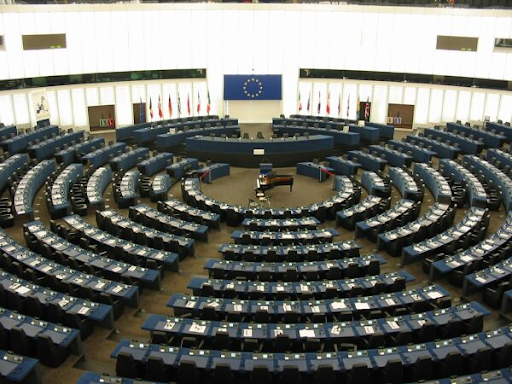
Brussels has formally suspended the ratification of its trade agreement with the United States following President Trump’s linkage of tariff threats with his Greenland ambitions. European lawmakers have characterized this approach as political blackmail, prompting the parliament’s most significant material response to the crisis.
Trade committee chairman Bernd Lange articulated clear conditions for resuming negotiations, insisting that Greenland-related threats must completely cease before compromise becomes possible on the trade deal. The frozen agreement would have eliminated tariffs on many American industrial exports to Europe.
The European Union has maintained its $750 billion energy purchase commitment, which officials confirm operates separately from the suspended trade agreement. This strategic distinction allows Brussels to preserve essential energy cooperation while defending political autonomy.
Diplomatic tensions escalated when European Commission President Ursula von der Leyen revised her post-parliamentary schedule. She bypassed a Davos stop where she might have encountered Trump, returning instead directly to Brussels to coordinate emergency summit preparations for Thursday evening.
The crisis summit agenda includes evaluation of powerful response mechanisms available to the EU. Leaders will consider implementing €93 billion in counter-tariffs on American exports and potentially activating an unused anti-coercion instrument that functions as a nuclear deterrent in trade disputes. Originally conceived to limit Chinese economic pressure on individual member states, this mechanism could restrict US companies from accessing European markets. Targets might include major technology firms, cryptocurrency businesses, aircraft manufacturers, or agricultural exporters, though European officials recognize such measures could burden consumers with higher costs or reduced service access.