
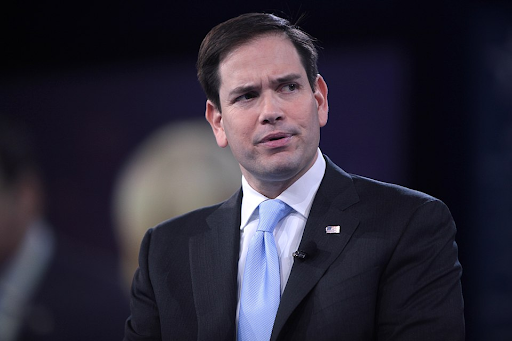
Secretary of State Marco Rubio insisted that the United States is demonstrably safer and more secure following President Trump’s military operation to remove Nicolas Maduro from power, arguing that the intervention eliminated a major national security threat in the Western Hemisphere. The Wednesday testimony came during his first public Senate hearing since the controversial January 3rd raid in Caracas.
The former Florida senator emphasized improvements in Venezuela’s situation compared to four weeks earlier and projected continued progress over subsequent months. He characterized cooperation with interim authorities as productive and outlined economic frameworks including restoration of limited oil sales with strict Treasury oversight. Rubio expressed confidence that Venezuela’s trajectory is substantially brighter without Maduro’s authoritarian leadership.
Democrats challenged this assessment, questioning whether replacing Maduro with his former vice president and associates constitutes meaningful security improvements. Senator Jeanne Shaheen asked whether the operation justifies its costs given that most regime members remain in governmental positions and economic conditions remain dire. She questioned presidential priorities when American citizens face pressing domestic challenges.
Rubio defended the intervention’s strategic value while acknowledging that Venezuela’s recovery cannot occur overnight. He outlined specific American demands on interim authorities including privileged energy sector access for United States companies, requirements to purchase American goods with petroleum revenue, and immediate cessation of subsidized oil exports to Cuba. The Secretary suggested compliance with these requirements demonstrates interim government cooperation.
The hearing also addressed concerns about potential international ramifications including encouraging Chinese aggression toward Taiwan or further Russian advances in Ukraine. Rubio dismissed these concerns, characterizing regional conflicts as operating independently rather than establishing precedents. He maintained that Beijing’s Taiwan ambitions constitute a legacy project that will proceed regardless of American actions elsewhere.