
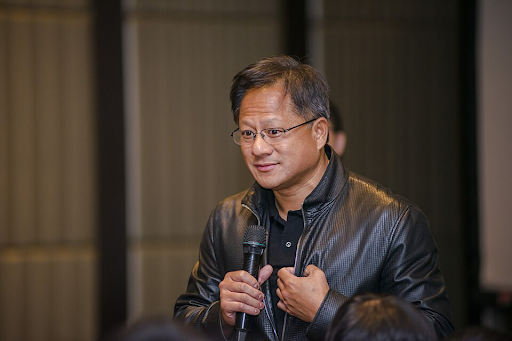
As the world’s most valuable company, Nvidia is not resting on its laurels. Facing stiff competition from traditional rivals like AMD and major customers like Google, Nvidia used CES as a platform to assert its dominance. CEO Jensen Huang unveiled a two-pronged strategy: revolutionary AI chips and groundbreaking software for the automotive industry.
The centerpiece of the hardware announcement is the Vera Rubin platform. Comprising six separate chips, this platform is expected to debut later this year. The flagship server setup is a powerhouse, containing 72 graphics units and 36 central processors. Huang claims these chips offer a tenfold improvement in efficiency for generating AI “tokens,” a critical metric for the industry.
On the software front, Nvidia is expanding its reach into “physical AI” with Alpamayo. This technology brings reasoning capabilities to self-driving cars, opening up a lucrative revenue stream in the automotive sector. By partnering with Mercedes-Benz to launch the CLA, Nvidia is proving that its technology has real-world applications beyond data centers.
The strategic move comes as Nvidia seeks to maintain its stranglehold on the AI market. While the company is the undisputed king of AI model training, the market for “inference”—delivering those models to users—is becoming crowded. The Vera Rubin chips are specifically designed to outperform competitors in this space, offering five times the computing power of previous products for serving AI apps.
By innovating simultaneously in hardware and applied software, Nvidia is widening its moat against competitors. The company is signaling that it intends to power not just the chatbots of today, but the physical robots and autonomous vehicles of tomorrow, ensuring its technology remains indispensable across multiple industries.