
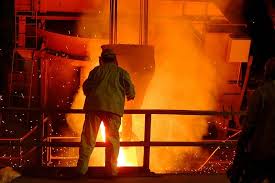
A fundamental battle over the future of UK steelmaking is underway, as the government throws its support behind melting scrap steel over processing raw iron ore. Business Secretary Peter Kyle’s backing for electric arc furnaces (EAFs) at Scunthorpe signals a move away from the nation’s “primary steelmaking” ability.
The technological divide is at the heart of the new steel strategy, due in December. Traditional blast furnaces, which produce primary (or “virgin”) steel from iron ore, are carbon-intensive but are a key strategic industry. EAFs, by contrast, are cleaner and use electricity to recycle scrap steel.
Peter Kyle, facing pressure to meet net-zero targets and secure the future of the state-controlled plant, is “keen to see that transition happen.” This effectively sides with the scrap-based EAF model, raising serious doubts about the future of the UK’s last blast furnaces and the thousands they employ.
This decision directly challenges previous government commitments. When the Scunthorpe site was taken into state control in April, ministers pledged to preserve “primary steelmaking.” Unions are now holding the government to that promise, demanding that this capability is not lost.
A high-tech compromise is being discussed: a Direct Reduced Iron (DRI) plant. This would use green hydrogen to process iron ore into a form that EAFs can melt, bridging the gap between “green” and “primary” steel. However, with industry sources skeptical of the cost, the UK may be forced to choose between its climate goals and its industrial heritage.