
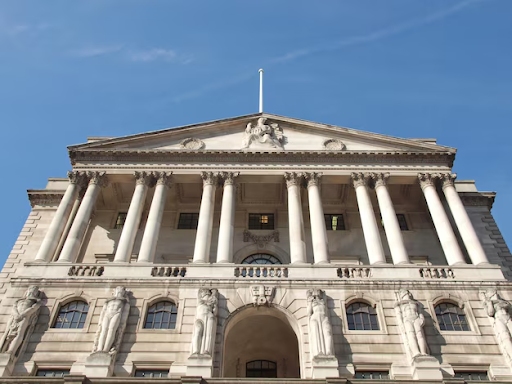
The Bank of England has decided to hold its benchmark interest rate at 3.75%, pausing after a series of six cuts implemented since the middle of 2024. The decision reflects a careful assessment of both improving inflation prospects and concerns about economic weakness.
The monetary policy committee’s vote revealed a 5-4 split, with four members supporting another immediate quarter-point reduction. This close division indicates that while a majority favored pausing, substantial support exists for continued easing. The narrow margin suggests that future rate cuts remain highly likely as inflation continues to decline toward the 2% target.
Governor Andrew Bailey emphasized the positive inflation trajectory in his post-decision comments. He projected that inflation would fall back to approximately 2% by spring, which he characterized as good news for households and businesses. While justifying the hold decision, Bailey indicated that conditions should allow for additional rate reductions during the year, provided inflation evolves as expected.
Economic growth forecasts have been revised downward significantly, with GDP now expected to expand by only 0.9% this year compared to the 1.2% projected in November. The Bank attributes some of this weakness to higher employer costs from increased national insurance contributions and the rising minimum wage. The labor market is also expected to soften, with unemployment projected to reach 5.3% this year.
The chancellor’s budget measures are playing a crucial role in the inflation outlook. Rachel Reeves’s package includes utility bill cuts and rail fare freezes, both taking effect in April, which are expected to significantly reduce cost-of-living pressures. These policies are driving the Bank’s forecast that inflation will decline to 2.1% by the second quarter of 2026, down from 3.4% in December and comfortably close to the 2% target, offering relief after the painful price surge that followed pandemic disruptions and the Ukraine conflict.